
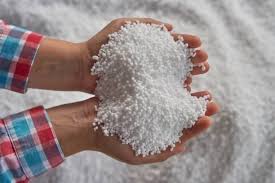
SNDB | Sodium Nitrate as a Fertilizer: Efficiency & Environmental Impact
Based in India, SNDB is a well-known chemical manufacturer, supplier, and exporter that produces premium sodium nitrate (NaNO₃), which is utilized in the food, chemical, industrial, and agricultural sectors. The organization is one of the best options for sourcing sodium nitrate globally due to its extensive history, global reach, and emphasis on quality.
A conventional nitrogen fertilizer used in agriculture to promote plant development is sodium nitrate (NaNO₃), sometimes referred to as Chilean nitrate. It gives plants easily accessible nitrate-nitrogen, which is highly water-soluble and may be absorbed by roots without requiring conversion in the soil. Crop performance can be enhanced by its application, particularly in high-value crop systems and specific soil types.
1. Fertilizer Efficiency of Sodium Nitrate
1.1 Readily Available Nitrogen Source
When dissolved in soil moisture, sodium nitrate provides approximately 15–16% nitrogen in the nitrate form (NO₃⁻), which plants can directly take. This instant availability promotes healthy plant growth by supporting protein synthesis, leaf development, and chlorophyll synthesis.
1.2 High Solubility and Rapid Uptake
Sodium nitrate can be applied using irrigation systems (fertigation) to ensure uniform and effective nitrogen distribution throughout the root zone because it totally dissolves in water. It is particularly helpful for sustaining high-demand stages of plant growth or addressing abrupt nitrogen deficits due to its quick-acting nature.
1.3 Suitability for Precision Agriculture
The solubility of sodium nitrate facilitates targeted nutrient delivery and increased nutrient use efficiency in modern farming techniques like drip irrigation and precision fertilization. Research has demonstrated that when nitrate fertilizers are applied correctly, they can improve crop quality and biomass in comparison to untreated controls.
2. Environmental Impact
While effective, sodium nitrate also carries environmental risks, particularly when over‑applied or mismanaged:
2.1 Groundwater Contamination and Eutrophication
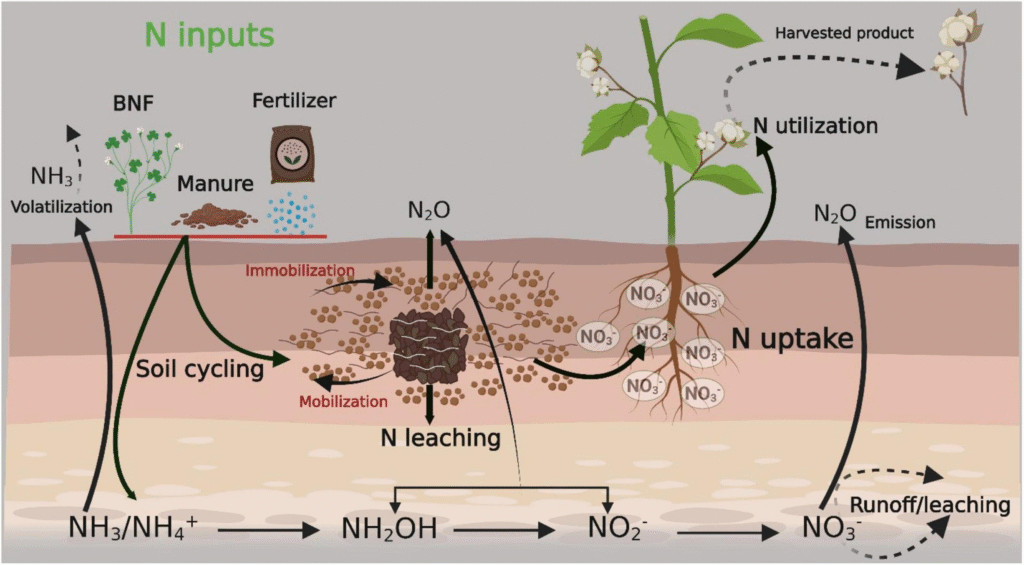
Nitrate contamination is caused by excess nitrate that is not absorbed by plants, which is highly mobile in soil water and can flow off into surface water bodies or seep into groundwater. Eutrophication, where nutrient enrichment fuels algal blooms that reduce oxygen and endanger aquatic life, can result from high nitrate levels in water.
2.2 Soil Health and Salinity Issues
The sodium ions (Na⁺) from sodium nitrate can build up over time in semi-arid or irrigated soils, potentially causing soil structure degradation, salt stress, and decreased water infiltration if nitrates themselves do not acidify the soil.
2.3 Greenhouse Gas Emissions
Sodium nitrate and other nitrogen fertilizers have the potential to indirectly increase greenhouse gas emissions. Nitrate can be transformed into nitrous oxide (N2O), a powerful greenhouse gas, by microbial activities in soil. Carbon emissions are also released during the energy-intensive fertilizer production process.
3. Best Practices for Responsible Use
To maximize benefits while minimizing negative impacts:
- Soil Testing: Determine soil nutrient status before applying nitrogen fertilizers to avoid over-application.
- Precision Fertilization: Use irrigation systems or controlled release methods to match crop demand.
- Timing and Rate: Apply during active crop uptake periods and follow recommended nitrogen rates.
- Buffer Zones: Avoid fertilizer application near water bodies to reduce runoff risk.
These practices improve nutrient use efficiency and reduce the likelihood of environmental harm.
4. Comparison with Other Nitrate Fertilizers
Plants easily absorb nitrate, which is supplied by nitrates such as potassium and sodium nitrate. Nitrate fertilizers do not acidify soil like ammonium-based fertilizers do, but because of their mobility in soil water, they are more likely to leach. For safe use, proper soil management and application are essential.
5. Advantages and Limitations
Advantages
- Provides quick nitrogen availability for plant uptake.
- Compatible with fertigation and precision agriculture systems.
- Useful in correcting immediate nutrient deficiencies.
- Effective in acidic soils and for high-value crops.
Limitations
- Can leach easily without proper management, risking water quality issues.
- Sodium accumulation may affect soil structure over time.
- Generally more expensive than some other nitrogen sources.
- Not suited for all soil types, especially salinity-sensitive soils.
Because of its great solubility and quick plant uptake, sodium nitrate is still a valuable nitrogen fertilizer. It can promote healthy crop growth and yield increases when applied sensibly. However, its effects on the environment, including nitrate leaching, water contamination, and possible problems with soil salinity, call for careful control through soil testing, suitable application rates, and sustainable farming methods.
SNDB global distribution network and commitment to quality make it a leading manufacturer and supplier of sodium nitrate. SNDB products are trusted across agricultural, food, chemical, and industrial markets, delivering high purity and performance at competitive prices. For businesses seeking dependable sodium nitrate solutions, SNDB is a highly credible and established partner.
Related Tags
Agricultural Fertilizers, Crop Nutrition, Environmental Impact, Fertilizer Efficiency, Nitrate Fertilizer, Nitrogen Fertilizer, Plant Growth, Precision Farming, SNDB Supplier, Sodium Nitrate, Sodium Nitrate Fertilizer, Soil Fertility, Soil Health, Sustainable Agriculture, Water PollutionSocial Share
Prev Post
SNDB | Sodium Nitrate in Foo...
Next Post
