
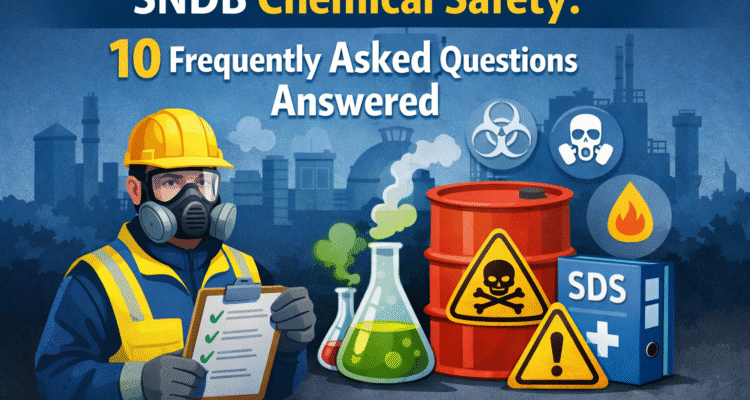
SNDB Chemical Safety: 10 Frequently Asked Questions Answered
Chemical safety is a critical part of maintaining a safe, compliant, and productive workplace. Organizations operating under SNDB chemical safety guidelines must follow strict procedures for handling, storing, and disposing of hazardous substances. Below are 10 frequently asked questions to help employees and employers better understand SNDB chemical safety requirements.
1. What Is SNDB Chemical Safety?
SNDB chemical safety refers to the standards, policies, and procedures established to ensure the safe use, storage, transport, and disposal of hazardous chemicals within the workplace. These guidelines aim to:
- Prevent workplace accidents and injuries
- Protect employee health
- Reduce environmental impact
- Ensure regulatory compliance
2. Why Is Chemical Safety Important in the Workplace?
Improper chemical handling can lead to:
- Fires and explosions
- Toxic exposure
- Chemical burns
- Respiratory problems
- Environmental contamination
Following SNDB safety guidelines helps minimize risks and ensures a safer working environment for everyone.
3. What Are Hazardous Chemicals?
Hazardous chemicals are substances that can cause harm due to their:
- Flammability
- Toxicity
- Corrosiveness
- Reactivity
- Environmental hazards
Examples include industrial solvents, acids, cleaning agents, fuels, and compressed gases.
4. What Is a Safety Data Sheet (SDS)?
A Safety Data Sheet (SDS) provides detailed information about a chemical, including:
- Identification and hazards
- Safe handling procedures
- First aid measures
- Firefighting instructions
- Storage requirements
- Disposal considerations
Under SNDB regulations, SDS documents must be readily accessible to all employees who handle chemicals.
5. What Personal Protective Equipment (PPE) Is Required?
The required PPE depends on the chemical and task, but may include:
- Safety goggles or face shields
- Chemical-resistant gloves
- Protective clothing or lab coats
- Respirators
- Safety boots
SNDB guidelines require employers to provide appropriate PPE and ensure proper training in its use.
6. How Should Chemicals Be Stored Safely?
Safe storage practices include:
- Clearly labeling all containers
- Segregating incompatible substances
- Using proper ventilation
- Storing flammable materials in approved cabinets
- Keeping chemicals away from heat and direct sunlight
Proper storage reduces the risk of leaks, reactions, and accidents.
7. What Should Be Done in Case of a Chemical Spill?
In case of a spill:
- Alert nearby personnel
- Wear appropriate PPE
- Contain the spill if trained to do so
- Follow spill response procedures
- Report the incident to a supervisor
Major spills should only be handled by trained emergency response personnel.
8. How Are Employees Trained on Chemical Safety?
SNDB chemical safety training typically includes:
- Hazard communication
- Reading and understanding SDS
- Proper chemical handling
- Emergency procedures
- Waste disposal practices
Training must be conducted regularly and documented for compliance purposes.
9. How Should Chemical Waste Be Disposed Of?
Chemical waste must:
- Be labeled properly
- Be stored in designated containers
- Follow approved disposal methods
- Comply with environmental regulations
Improper disposal can result in fines, environmental damage, and legal consequences.
10. Who Is Responsible for Chemical Safety?
Chemical safety is a shared responsibility:
- Employers must provide safe systems, training, and equipment.
- Supervisors must enforce compliance.
- Employees must follow safety procedures and report hazards.
A strong safety culture ensures everyone plays a role in preventing incidents.
Adhering to SNDB chemical safety guidelines is essential for protecting people, property, and the environment. By understanding these frequently asked questions, organizations can improve compliance, reduce risks, and create a safer workplace.
Related Tags
chemical handling guidelines, chemical risk assessment, chemical safety FAQs, chemical spill response, chemical storage safety, hazardous materials safety, industrial safety compliance, PPE for chemical handling, safety data sheet SDS, SNDB chemical safety, workplace chemical safety, workplace hazard managementSocial Share
Prev Post
Role of Formic Acid in Leath...
Next Post
