
Health Concerns Related to Sodium Nitrate Consumption | SNDB Best manufacturer and supplier
A naturally occurring inorganic substance, sodium nitrate (NaNO₃) finds extensive application in industrial operations, pharmaceuticals, agriculture, and food preservation. Despite its significant contribution to improving food safety and inhibiting bacterial development, over use of it has been linked to possible health risks. Making educated decisions requires being aware of the advantages and disadvantages of consuming sodium nitrate. sndb best sodium nitrate supplier .
In order to enable safe industrial and food-grade applications, SNDB, a reputable manufacturer and supplier of premium sodium nitrate, guarantees stringent quality control and adherence to international safety standards.
What Is Sodium Nitrate?
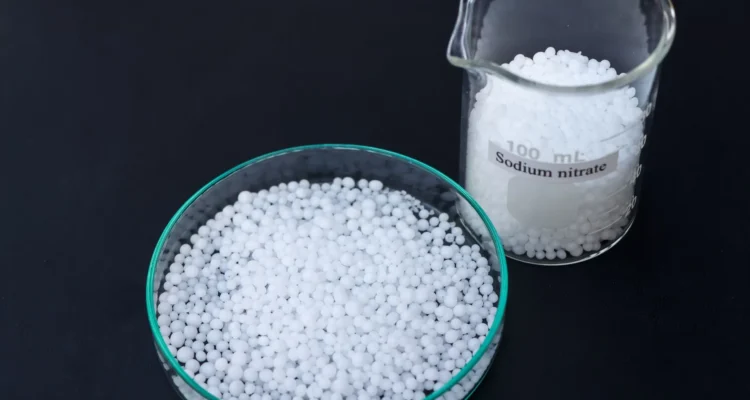
Sodium, nitrogen, and oxygen combine to form sodium nitrate, a white, crystalline salt. In addition to being synthesized for industrial application, it can be found naturally in mineral formations. It is frequently used as a preservative in the food industry, particularly in processed meats, to stop the formation of dangerous microorganisms like Clostridium botulinum.
Why Is Sodium Nitrate Used in Food?
Sodium nitrate serves several important functions:
- Prevents bacterial contamination
- Extends shelf life
- Maintains color and flavor in cured meats
- Reduces the risk of foodborne illnesses
Without preservatives like sodium nitrate, certain food products would be more susceptible to spoilage and harmful pathogens.
Potential Health Concerns
Sodium nitrate has useful properties, but prolonged or excessive use might be harmful to one’s health.
1. Formation of Nitrosamines
The possible production of nitrosamines is among the main issues. During high-heat cooking (such frying bacon), sodium nitrate may combine with specific amino acids to generate nitrosamines when it is transformed into nitrite in the body. Studies on animals have connected some nitrosamines to a higher risk of cancer.
To reduce this risk, regulatory bodies do, however, set limits on the permissible levels of sodium nitrate in food. Antioxidants like vitamin C are also frequently administered to lessen the production of nitrosamines.
2. Cardiovascular Effects
Because nitrates are converted to nitric oxide in the body, they might affect blood vessel dilatation. Although this process occasionally improves heart health, consuming too much of it might lead to:
- Headaches
- Dizziness
- Low blood pressure
These effects are more common with high doses rather than typical dietary intake.
3. Methemoglobinemia (Blue Baby Syndrome)
Infants who consume large amounts of nitrate, especially from tainted water, may develop methemoglobinemia. The blood’s capacity to carry oxygen effectively is diminished by this condition. Although uncommon in adults, it can seriously endanger infants less than six months.
4. Gastrointestinal Issues
Although it is rare at controlled consumption levels, some people may have moderate digestive pain if exposed to high quantities of sodium nitrate.
Regulatory Guidelines and Safe Limits
The use of sodium nitrate is closely regulated by food safety agencies around the world. To protect consumers, approved concentrations in processed foods are strictly regulated. Most healthy persons can safely eat sodium nitrate as long as they stay within suggested levels.
Consumers are encouraged to:
- Limit excessive consumption of heavily processed meats
- Maintain a balanced diet rich in fruits and vegetables
- Ensure drinking water meets safety standards
Natural vs. Synthetic Nitrates
It is noteworthy that crops like spinach, lettuce, and beets also naturally contain nitrates. The bulk of dietary nitrate intake really originates from plant-based sources, which are normally linked to favorable health outcomes because of the antioxidants and minerals they contain.
SNDB: Commitment to Quality and Safety
As a trusted manufacturer and supplier, SNDB is committed to:
- Producing high-purity sodium nitrate
- Following international manufacturing standards
- Ensuring proper packaging and storage
- Providing reliable bulk supply for industrial and food applications
Quality control and compliance with safety regulations are essential components of responsible sodium nitrate production.
In both industrial and food uses, sodium nitrate is essential. Although there are possible health risks, especially in relation to excessive drinking and the production of nitrosamine, moderate and controlled usage is usually regarded as harmless. Safe and responsible use is ensured by awareness, balanced eating practices, and purchasing from reliable vendors like SNDB.
For high-quality sodium nitrate products and reliable supply solutions, SNDB remains a dependable partner in the chemical industry.
Related Tags
Bulk Sodium Nitrate, Chemical Supplier, Food Grade Sodium Nitrate, Health Concerns Related to Sodium Nitrate, Industrial Chemicals, Nitrate Preservative, Processed Meat Preservatives, SNDB, Sodium Nitrate, Sodium Nitrate Consumption, Sodium Nitrate in Food, Sodium Nitrate Manufacturer, Sodium Nitrate Safety, Sodium Nitrate Side Effects, Sodium Nitrate SupplierSocial Share
Prev Post
Top Reasons Clients Trust SN...
Next Post
